
How emotional intelligence can boost business

|
Getting your Trinity Audio player ready...
|
Have you ever stopped to think about how emotions directly influence a business's success? In other words, emotional intelligence is a crucial skill in the business world, capable of transforming the way leaders and employees deal with challenges and opportunities.
In this article, we will explore how emotional intelligence can be a real turbo boost for business, boosting performance and satisfaction in the workplace.
What is emotional intelligence?
More than just knowing how to deal with your own emotions, Emotional intelligence is the ability to recognize, understand, manage, and influence one's own emotions and the emotions of others. In this sense, the concept was popularized by psychologist Daniel Goleman and is essential for personal and professional development, directly impacting how we deal with challenges, relate to others, and make decisions.
Thus, the emotional intelligence It refers not only to the ability to recognize, understand, and manage our own emotions, but also the emotions of others. Thus, it is the ability to perceive, evaluate, and control emotions in order to facilitate thought and guide actions.
Also known as EQ (Emotional Quotient), it is a set of skills that, if well developed, can help us thrive in the workplace.
“"Emotional intelligence is the ability to recognize, understand, and manage emotions, both your own and those of others, in order to make more conscious decisions, improve relationships, and sustain results in the workplace."”
The 5 Pillars of Emotional Intelligence
- Self-awareness – Ability to recognize and understand one’s own emotions, identifying how they influence thoughts and behaviors.
- Self-management – Ability to control impulsive emotions, adapt to changes and stay focused on long-term goals.
- Motivation – Ability to self-motivate, overcome challenges and maintain a positive and resilient mindset.
- Empathy – Ability to understand others’ emotions and connect emotionally, fostering healthy interpersonal relationships.
- Social skills – Ability to manage relationships, communicate effectively and resolve conflicts.
Emotional intelligence in the workplace
In the business world, emotional intelligence is essential for building strong interpersonal relationships, resolving conflicts, making assertive decisions, and effectively leading teams. It enables professionals to navigate the complexities of the workplace with balance and resilience, contributing to exceptional performance.
After all, in the business world, interpersonal relationships play a crucial role. This empowers professionals to understand their colleagues' emotions, fostering empathy and collaboration. As a result, it results in a more harmonious and productive work environment, where conflicts are resolved constructively.
Companies that have employees and leaders with high emotional intelligence tend to be more productive, innovative, adaptable and profitable.
Furthermore, the ability to make decisions under pressure is a valuable skill in the business world. Thus, emotional intelligence allows leaders to assess situations more objectively, considering not only the rational aspects but also the emotional implications. Ultimately, this balance leads to more thoughtful decisions aligned with organizational objectives.
“"In business, emotional intelligence directly influences productivity, organizational climate, the quality of decisions, leadership, and the adaptability of teams."”
Benefits of emotional intelligence in business
Improvement in the organizational climate
A positive organizational climate is essential for employee well-being and the company's overall success. Thus, emotional intelligence contributes to creating a work environment where people feel valued, respected, and motivated, resulting in greater engagement and talent retention.
Increased productivity
Employees with high emotional intelligence are better able to manage stress and stay focused on tasks, which translates into greater productivity. In addition, the ability to work well in a team and resolve conflicts constructively boosts efficiency and the quality of work performed.
Fostering innovation
Innovation is an essential component of a company's competitiveness. Thus, emotional intelligence stimulates creativity and the ability to think outside the box, creating an environment conducive to generating new ideas and solutions. In short, emotionally intelligent professionals are more open to change and adaptation, driving innovation within the organization.
“Companies with high levels of emotional intelligence tend to be more productive, innovative, and resilient, as they handle pressure, change, and internal conflicts better.”
How to develop emotional intelligence
Developing emotional intelligence is an ongoing process that involves self-awareness, self-control, empathy, and social skills.
Self-perception
The first step to developing emotional intelligence is being aware of our own emotions and how they influence our thoughts and behaviors. This involves practicing self-observation and reflecting on our emotional reactions in different situations.
Self-control
Once we are aware of our emotions, we can learn to manage them effectively. This includes the ability to manage stress, regulate negative emotions, and remain calm in challenging situations. Techniques such as deep breath and visualization can be helpful in developing emotional self-control.
Empathy
Empathy is the ability to put yourself in another person's shoes and understand their feelings and perspectives. Above all, to develop empathy, it is important to practice active listening, demonstrate genuine interest in the well-being of others and seek to understand the emotions behind their actions.
Social skills
Social skills are essential for building and maintaining healthy and productive relationships. This includes the ability to communicate clearly and effectively, resolve conflicts constructively, and collaborate effectively as a team.
Application of emotional intelligence in entrepreneurship
In the entrepreneurial world, emotional intelligence plays a fundamental role in several areas, from leadership to conflict resolution.
Leadership
Emotionally intelligent leaders are able to inspire and motivate their teams, cultivating an environment of trust and collaboration. In this sense, they understand their employees' needs and concerns and are willing to support them in developing their skills and careers.
Team management
Effective team management requires communication, empathy, and conflict resolution skills. Thus, emotionally intelligent leaders are able to build cohesive and productive teams by recognizing and valuing the contributions of each member.
Conflict resolution
Conflicts are inevitable in any workplace, but how they are managed can make all the difference. Emotional intelligence enables entrepreneurs to approach conflicts constructively, seeking solutions that meet the needs of all parties involved.
In short…
Emotional intelligence is a powerful tool for driving business forward, contributing to a healthier, more productive and innovative work environment. By developing emotional intelligence skills, leaders and employees can improve their interpersonal relationships, make more assertive decisions and lead teams effectively.
Therefore, investing in the development of emotional intelligence not only benefits business, but also promotes the well-being and personal success of the individuals involved.
Questions and answers about emotional intelligence in business.
1. What is emotional intelligence in a business context?
Emotional intelligence in a business context is the ability of leaders and employees to recognize, regulate, and use emotions strategically to improve decisions, relationships, and work results.
2. Why is emotional intelligence important for businesses?
Because it directly impacts the organizational climate, productivity, leadership, talent retention, and the company's ability to cope with changes and market pressures.
3. Does emotional intelligence influence leadership?
Yes. Emotionally intelligent leaders communicate better, manage conflicts with more maturity, inspire trust, and engage their teams more consistently.
4. Is it possible to develop emotional intelligence at work?
Yes. Emotional intelligence can be developed through self-awareness, self-regulation, empathy, social skills, and continuous emotional development practices.
5. Does emotional intelligence improve financial results?
Indirectly, yes. By reducing conflicts, improving decision-making, increasing productivity, and strengthening teams, emotional intelligence contributes to better results and greater business sustainability.
Recommended reading:
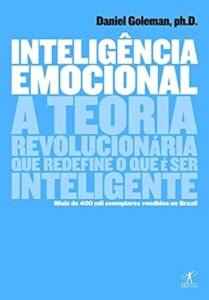
Emotional Intelligence – Daniel Goleman
Image: Freepik
Article originally published on 04/06/2024 and updated on that date.

Marcel Castilho is an expert in neuromarketing, neuroscience, mindfulness and positive psychology. In addition to being an advertiser, he also has a Master's degree in NLP – Neurolinguistic Programming. As the owner and founder of the communications agency VeroCom and also of the digital agency Vero Contents, he has been studying human behavior for over 30 years.